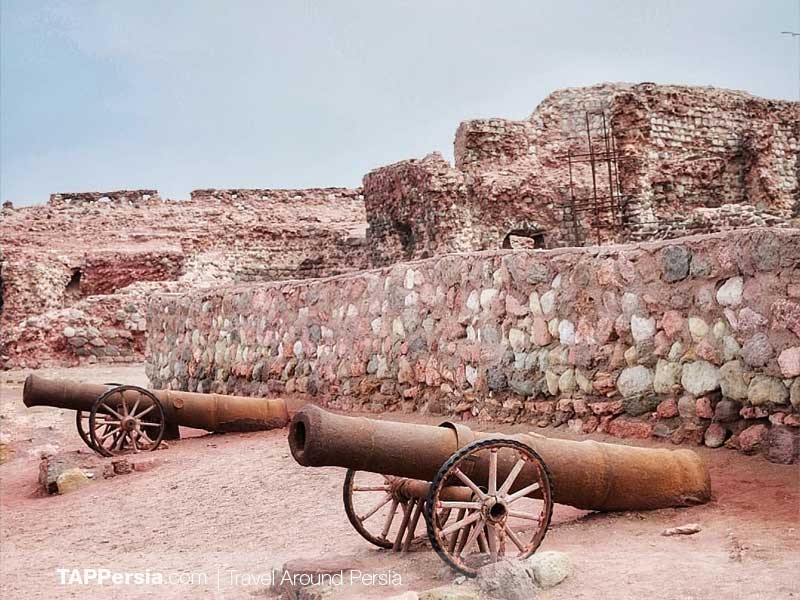

The Qeshm Portuguese Castle is one of the most important historical landmarks on Qeshm Island, Iran’s largest island in the Persian Gulf. Located near the strategic Strait of Hormuz, this centuries-old fortress reflects the geopolitical importance of Qeshm during the age of global maritime trade.
Surrounded by dramatic rocky coastlines, beaches, and natural wonders, the castle is a key stop for travelers interested in Qeshm historical sites, Portuguese colonial architecture, and Iran’s coastal heritage.
History of the Portuguese Castle in Qeshm
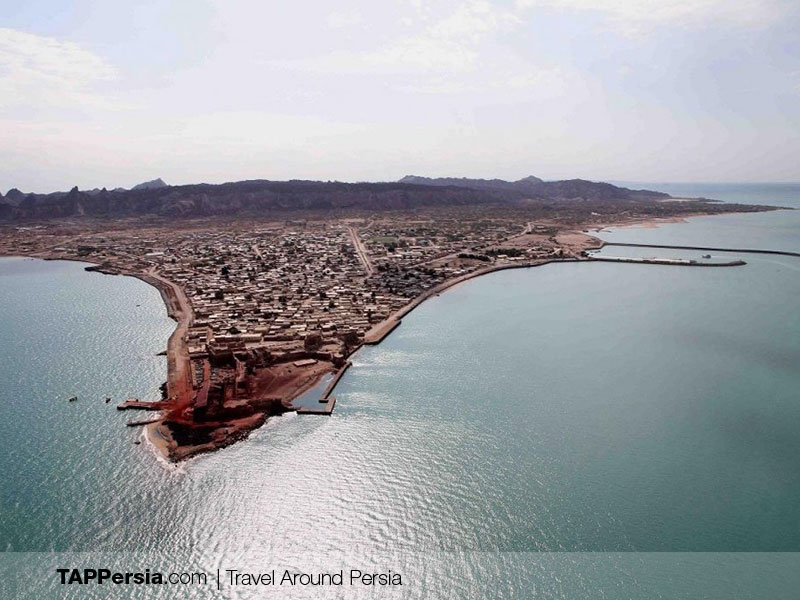
Qeshm Island is the largest island in the Persian Gulf and one of the most diverse coastal areas in Iran. Visitors come here for:
- Untouched and hidden beaches in Iran
- Coastal cliffs and salt caves
- Mangrove forests (Hara forests)
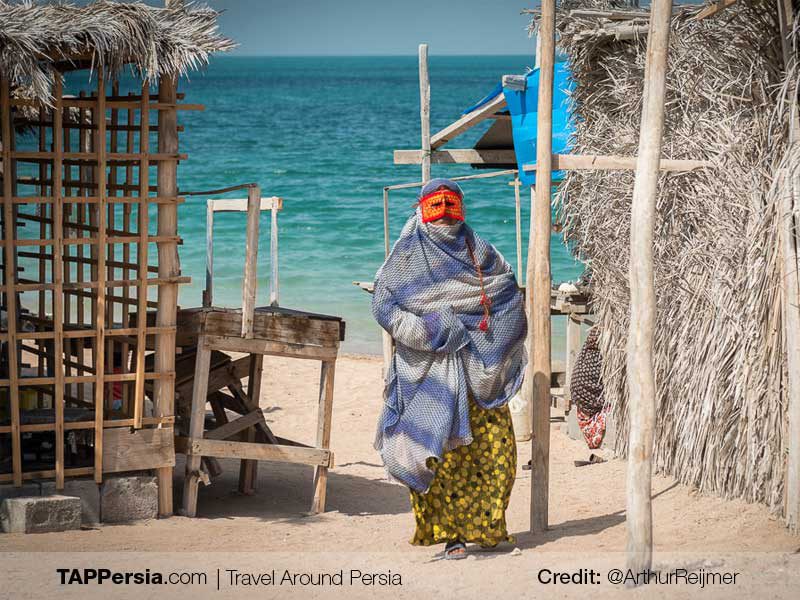
- Traditional fishing villages
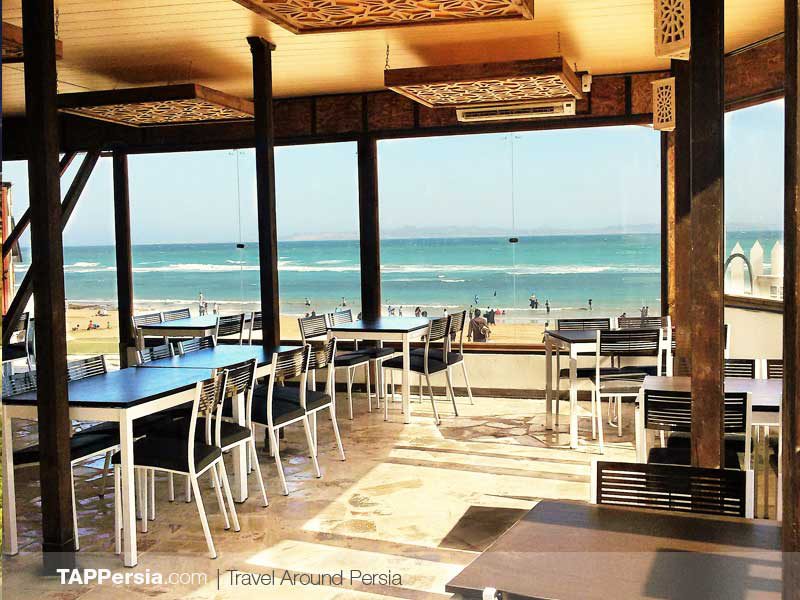
- Family-friendly beaches and eco-lodges
Its proximity to Bandar Abbas Beaches makes Qeshm easily accessible for travelers exploring southern Iran’s coastline.
Architecture and Military Design
The Portuguese fortress of Qeshm covers an area of over 2,000 square meters and was constructed mainly from plaster and limestone—materials well suited to the island’s coastal climate.
Each corner of the castle is reinforced with a solid defensive tower. These towers once housed the most advanced weapons of their time, including cannons and trebuchets. Today, visitors can still see the remains of massive multi-ton brass cannons embedded along the defensive walls, offering a tangible glimpse into early modern military engineering.
The fortress served not only as a defensive structure but also as:
- A central weapons depot
- A command headquarters for Portuguese military officials
- A logistical support base for other fortresses across the Persian Gulf
The Secret Tunnel Beneath the Castle
During archaeological excavations in 1999, researchers discovered a tunnel near the castle ruins. Initially believed to be a simple munitions chamber, further exploration revealed that the tunnel led directly into the fortress itself.
This hidden passage likely functioned as an emergency escape route for high-ranking officials—highlighting the strategic sophistication behind the Qeshm historical fortress.
Visiting Qeshm Portuguese Castle Today
Despite suffering damage from wars and local rebellions over the centuries, the remaining structure still conveys a strong sense of its former power. Its irregular, weathered architecture adds to the mystery and visual appeal of the site.
The castle’s coastal location provides:
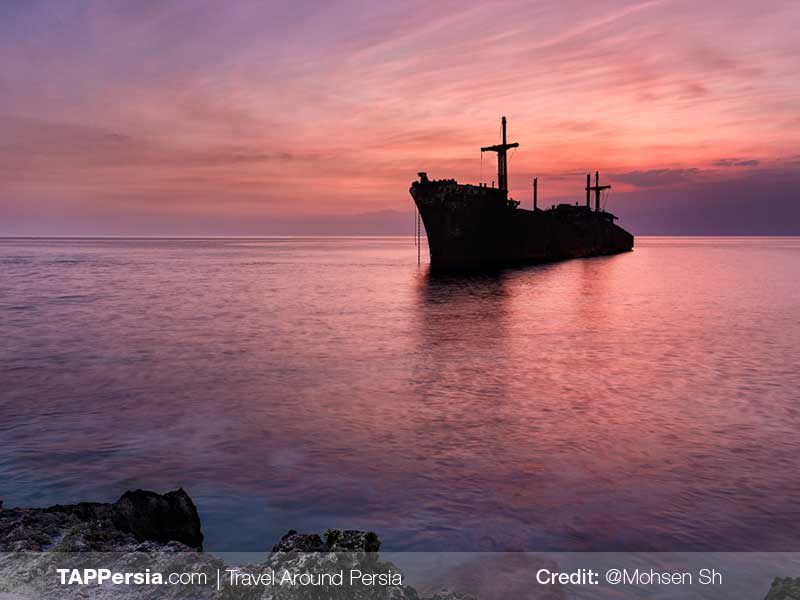
- Panoramic views of the Persian Gulf
- A warm, tropical climate year-round
- Easy access from Qeshm Port
Many travelers combine a visit to the castle with nearby attractions such as:
- Mangrove forests (Hara forests)
- Salt caves
- Beaches and coastal walks
- Boat tours to Hengam Island
How to Get to Qeshm Portuguese Castle
Qeshm Island is accessible via:
- Ferry services from Bandar Abbas
- Domestic flights to Qeshm Island
Once on the island, the castle is located on the northern coast and can be reached easily by taxi or guided tour. Visitor centers and local guides are available to enhance the experience with historical context.
Best Time to Visit the Portuguese Castle in Qeshm
The best time to visit the Qeshm Portuguese Castle is between November and March, when the weather is cooler and ideal for sightseeing. Early morning and late afternoon visits are especially recommended for photography and coastal views.
Why the Portuguese Castle Is a Must-See in Qeshm?
Among the many Qeshm tourist attractions, the Portuguese Castle stands out for its blend of:
- Strategic history
- Military architecture
- Coastal scenery
- Cultural significance
It is an essential stop for travelers interested in Portuguese colonial architecture, fortresses in Iran, and the broader story of Persian Gulf trade and power.
Final Thoughts
The Qeshm Portuguese Castle is more than a ruined fortress—it is a symbol of Iran’s role in global maritime history. Set against the dramatic backdrop of Qeshm Island’s coastlines and natural landscapes, the castle offers visitors a powerful combination of history, architecture, and scenery.
No visit to Qeshm is complete without exploring this remarkable historical site.